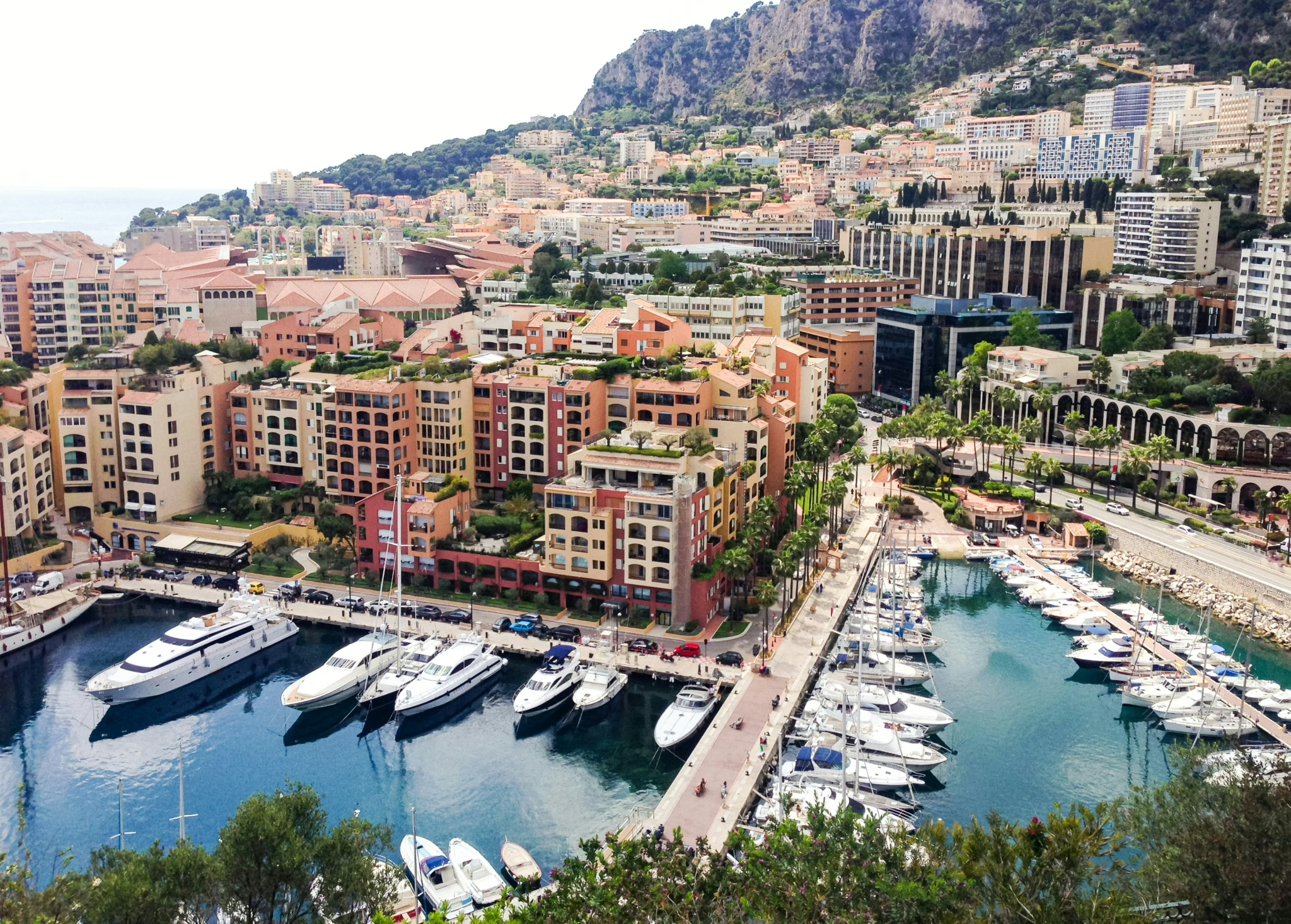
- Monaco offers three clear paths to a residence permit — but every file is judged on its own merits.
- A residence card and a tax certificate are not the same thing; zero income tax starts only after Monaco accepts you as a fiscal resident.
- You need a Monaco home address, clean paperwork, and patience — the process takes about four months and renews every year.
Monaco is a tiny principality on the French Riviera. It promises safety, prestige, and zero personal income tax for residents. Yachts and casinos fill the postcards. For mobile founders and investors, the real draw is a strict residency system that ties your address, your business, and your tax status together — much like other Mediterranean routes such as Malta’s residence program.
This piece explains how that system works in practice. It is general journalism, not legal or tax advice. Rules change. If you already hold residency elsewhere, compare how company redomiciliation to Gibraltar or other hubs handles the same cross-border questions.
Permit vs. Tax Certificate
Many articles mix up two separate ideas. A residence permit lets you live in Monaco for more than three months. A tax residency certificate proves Monaco treated you as a fiscal resident last year.
The permit alone does not wipe out tax duties elsewhere. If your family, company, or calendar still points to another country, that country may still claim you — especially when no treaty exists. The same tension shows up in other offshore planning hubs.
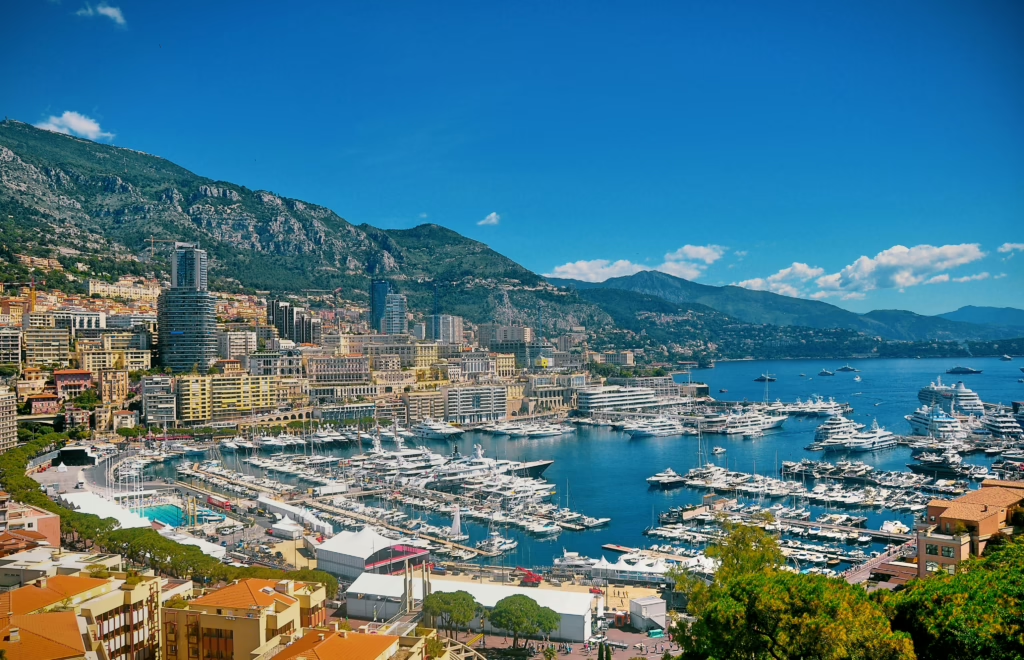
Three Paths to a Residence Permit
Every applicant must show they can manage their own assets and explain a credible plan for life in Monaco. The Monaco government reviews each case individually.
Employment. A real job with a Monaco company can qualify. The role must be substantive, not a title on paper.
Own business. Founders often open a Monaco company. The state must approve the activity first — unlike most EU countries where you simply register. Some trades are closed to newcomers; you may need to buy an existing licence.
Bank investment. You can deposit at least €500,000 with a Monaco bank under an investment agreement. Officials have talked about raising the bar to €1 million. The money must sit on the account when officials review the file. Renewals check the balance again.
The Housing Rule
You must rent or own a home in Monaco. A French address across the border does not count. Officials want real presence — not a small studio here and a mansion abroad.
Areas like Larvotto offer a quieter seafront feel than the casino core. That matters for families who want the beach without the busiest tourist strip.
Paperwork and Timeline
Expect a valid passport, a clean criminal record, civil-status documents, proof of your job or business or bank deposit, and a Monaco lease or deed. Foreign papers need certified translations.
EU citizens use a simpler route with their ID card. Non-EU nationals usually need a long-stay visa for France or Italy first — see French visa rules for the usual first step — then the Monaco card. From a complete file to card in hand takes about four months, including a police interview. Neighbouring France’s tech visa is a separate track for talent moving into the wider region.
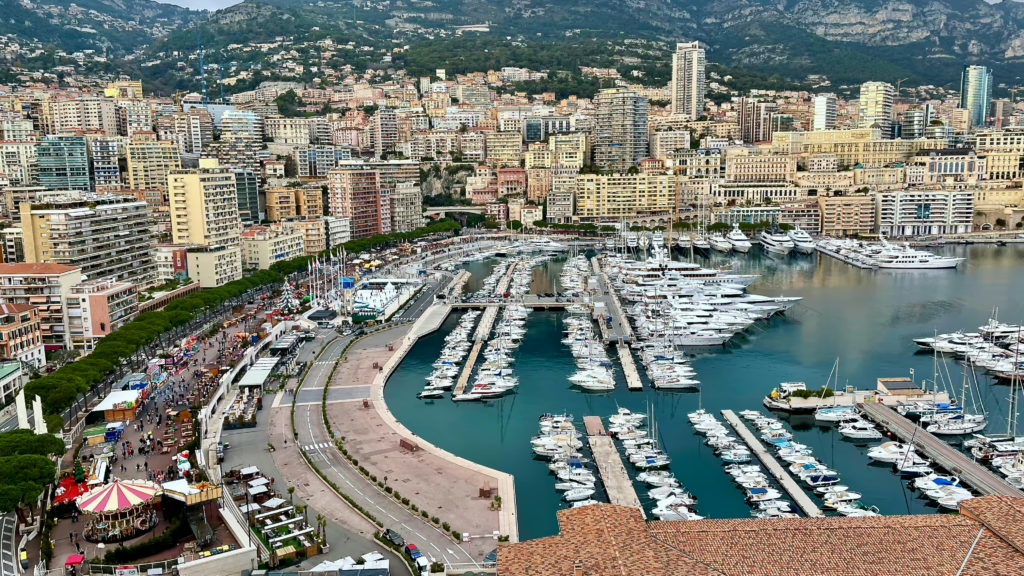
How Monaco Tax Residency Works
After you hold a permit, Monaco runs a separate test for a tax certificate. You need one of these:
- Spend 183+ days in Monaco in the calendar year.
- Make Monaco your longest stay among all countries that year.
- Run your main business from Monaco (economic centre).
- Keep your family home in Monaco when day counts are unclear.
Monaco may grant a certificate, but your old home tax office can disagree. Poland, for example, shares no income-tax treaty with Monaco and looks at both business and family ties.
Breaking old tax residency takes planning: fewer than 183 days back home, real moves of family and business, and clean records. Many families compare Monaco with guides on Dubai business taxes and whether the UAE is still a tax haven when weighing Riviera vs Gulf bases.
What Zero Tax Really Means
Monaco charges no personal income tax on residents. Foreign income can also sit outside Monaco’s reach — if no other country claims it. Dividends, salaries, and gains may still trigger tax abroad under treaty rules, CFC laws, or substance tests.
Banks share account data under CRS rules. Planning residency without filing where the law requires it is a common and costly mistake.
Corporate Tax in Brief
Monaco companies pay 0% on local profits when foreign turnover stays below 25% of revenue. Above that share, profits tied to foreign clients face 25% tax. Dividends to Monaco residents carry no extra personal tax locally.
The cleanest pattern: a Monaco firm serving Monaco clients, with the owner tax-resident in Monaco. Authorities like substance that starts and ends inside the principality.
Costs, Schools, and Daily Life
Monaco often tops global price lists. New seafront homes have sold between €150,000 and €200,000 per m². Rents follow the same logic.
Public schools are free for residents. The International School of Monaco serves expat families. French helps with bureaucracy; many officials also speak English and Italian.
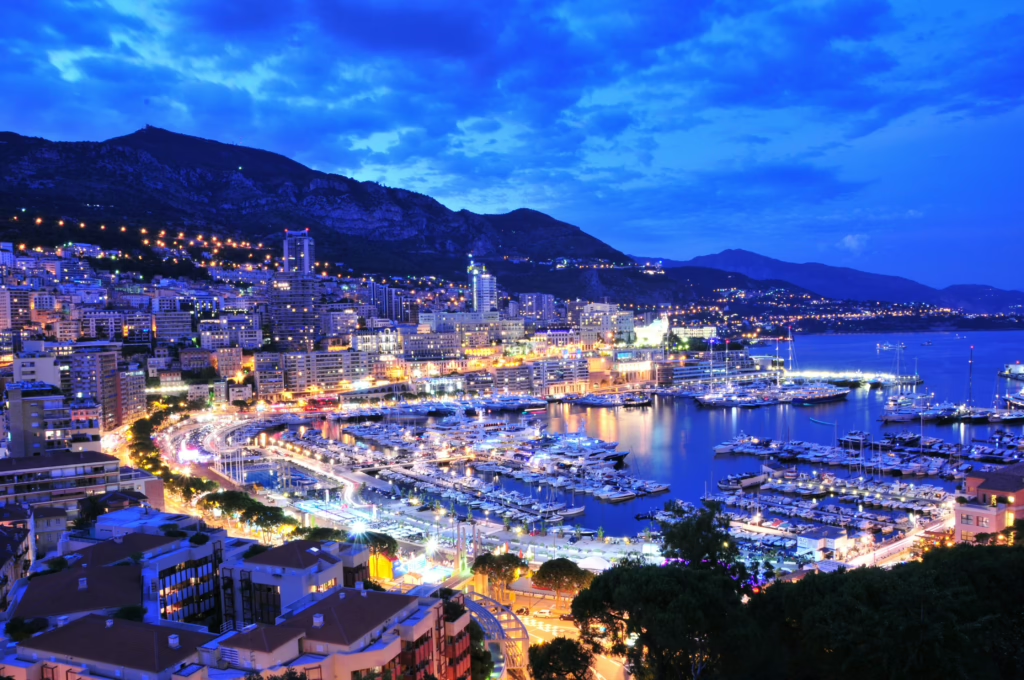
Four Myths to Drop
- Residency ≠ zero tax everywhere. Other countries can still bill you.
- A bank deposit is not forever. Renewals and rules can tighten.
- Living in France does not count. You need an address in Monaco.
- Monaco is not in the EU. Daily life still flows through open borders with France.
Bottom Line
Monaco residency rewards applicants who document a real home, a real economic link, and a profile that fits a crowded two-square-kilometre state. The permit opens the door. Tax residency is a second step built on days spent and life centred here. Cross-border families need advice in both countries long before the first renewal.