- The world of high-end investing is currently witnessing a breathtaking shift toward prehistoric treasures.
- These ancient relics offer a unique hedge against global inflation and market volatility.
- This trend marks the birth of a truly unconventional financial frontier.
Global Demand for Prehistoric Power
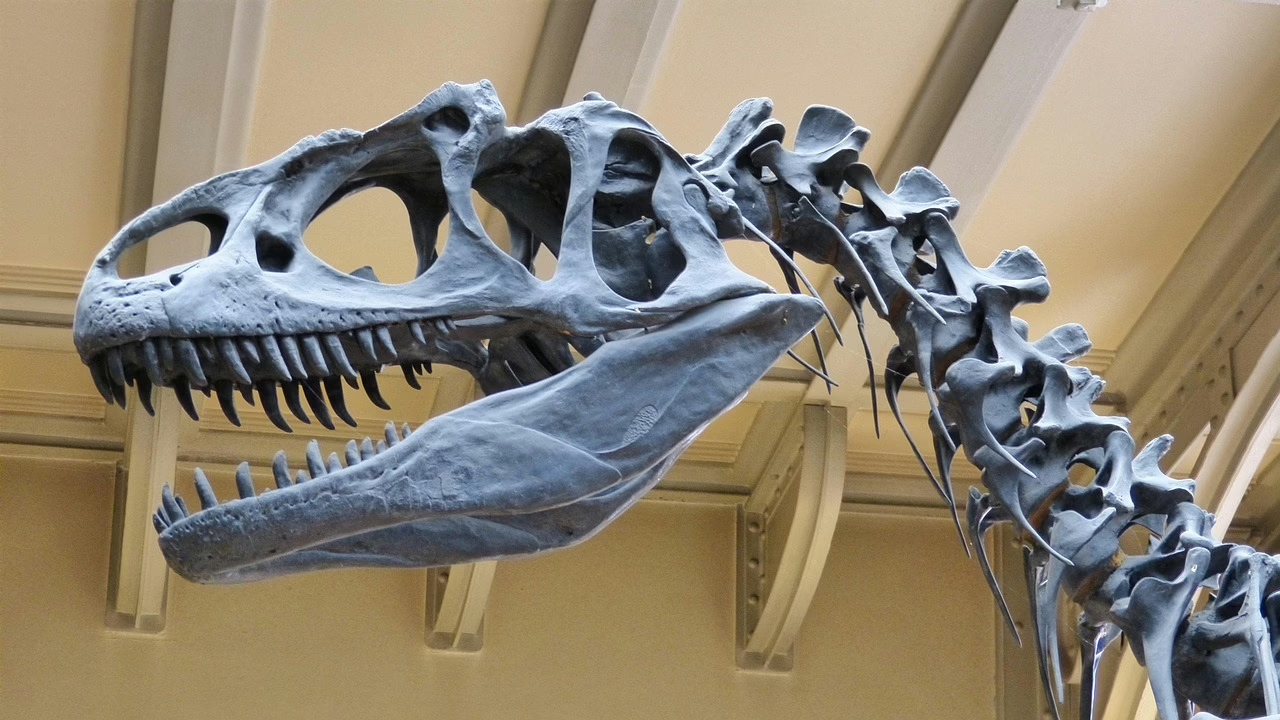
Demand concentrates at the very top of the market. Museum-grade skeletons draw global bidders and heavy press. That attention often boosts perceived value and future liquidity. Asian high-net-worth buyers helped push prices higher in the 2010s. Social signaling matters because these assets sit in homes and private galleries. Pop culture acts like free advertising for the category. That keeps the buyer pool emotionally engaged and less price-sensitive. Meanwhile, entry-level fossils sell online and at fairs with smaller margins. The market behaves like luxury art, not like commodities.
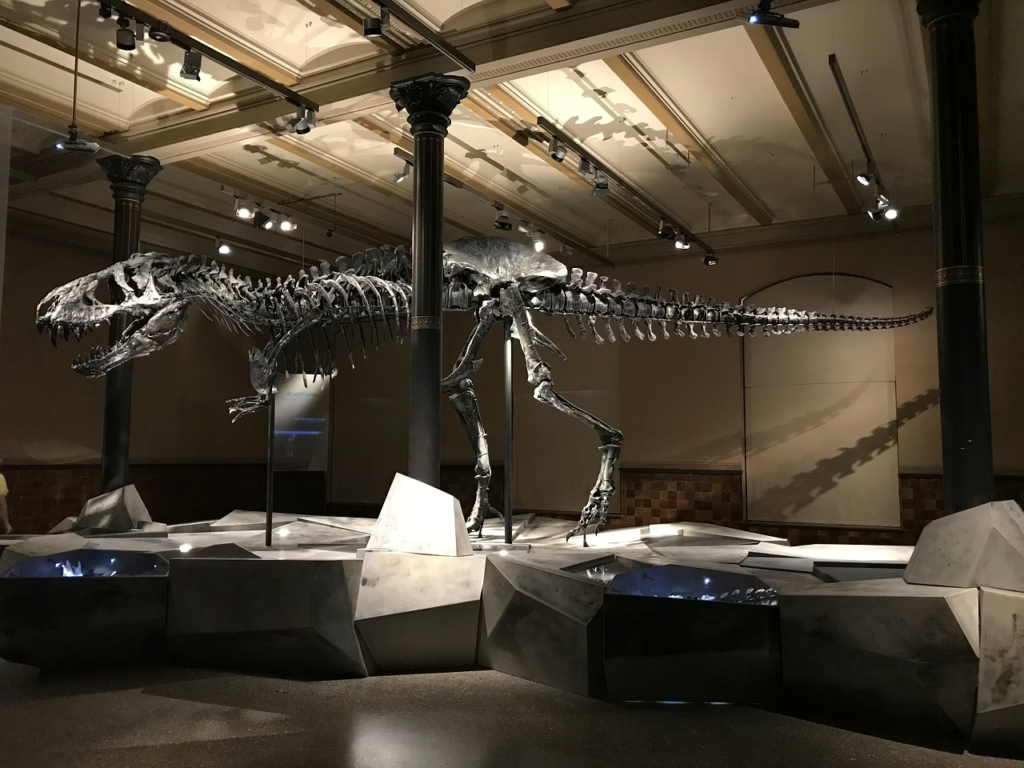
Scarcity Drives Massive Market Value
Scarcity explains the price dispersion and the headline sales. A complete, iconic predator commands a premium that fragments never reach. Rarity also depends on legality and export rules, not just geology. Many countries restrict excavation and private trade heavily. That regulation limits supply and can raise prices for legal pieces. Authenticity risk can crush ROI if documentation fails. Buyers pay more for specimens with strong paperwork and reputable preparation. Condition reports matter as much as the fossil itself. Liquidity improves when the specimen has a recognized “name” and history.
Science Battles the Private Sector
Controversy creates both risk and opportunity. Public backlash can affect reputations and future resale options. Museums may refuse collaboration with questionable owners or dealers. On the other hand, private funding often enables discovery, prep, and preservation. Some collectors loan pieces to institutions, which supports visibility and value. A public exhibition can act like value marketing for a specimen. Still, legal and ethical standards differ by country and even by state. Export permits and land ownership rules can decide whether a fossil is tradable. If authorities challenge provenance, your asset can become unsellable overnight.
Investing in the Jurassic Future
Direct investing usually means buying specimens through auctions or specialist dealers. Start with smaller, documented fossils to learn the market mechanics. Use major auction houses for high-end pieces if you need credibility. Work only with dealers who provide provenance, legality, and restoration documentation. Treat documentation like the title deed to real estate.
Consider storage, climate control, and specialist conservation from day one. Indirect investing includes backing excavation teams, preparation labs, or firms selling licensed replicas. You can also invest in adjacent themes like natural history exhibitions and fossil tourism. The most practical approach for most investors is a small allocation, diversified, and long-term.